 Back
BackCategories

Conservancy support for cheetahs
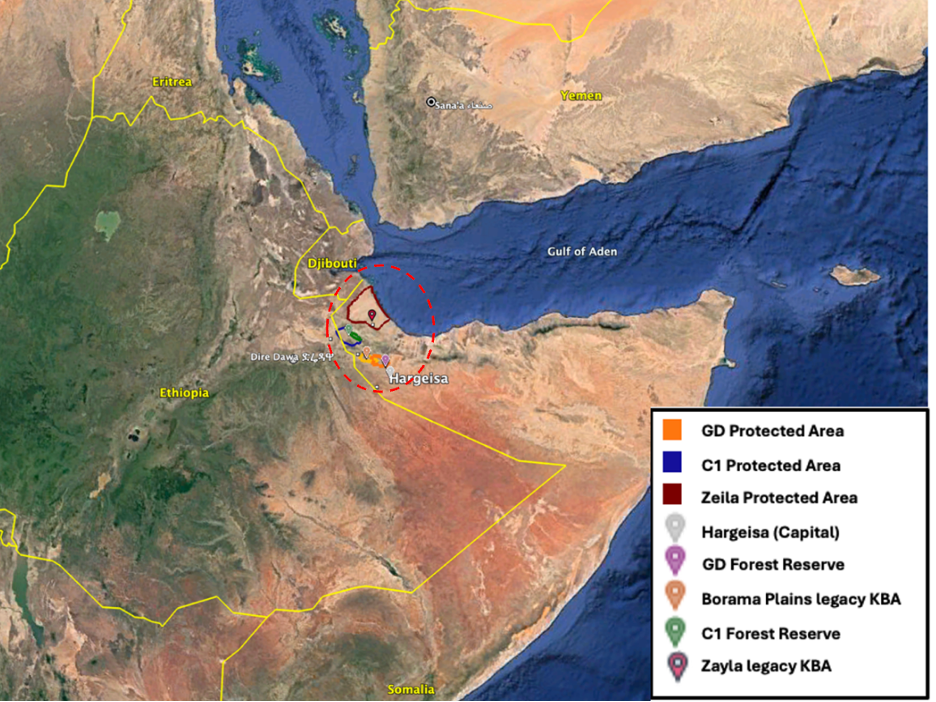
Project regional map - regional map of envisioned protected area network for western Somaliland. Area of interest is highlighted in the red dashed ellipse. Credit - Google Earth Pro.
When conservation meets community: Building climate resilience in Somaliland’s cheetah country
In the arid landscapes of Somaliland's Awdal Region, climate change is rewriting the rules of survival for both people and wildlife. As droughts intensify and grazing lands shrink, cheetahs are venturing closer to villages in search of prey, and livestock becomes an easier target. When livestock is lost, families lose their economic foundation. Herders, protecting their only source of income, retaliate. Cheetah cubs are captured and sold into the illegal pet trade. It's a crisis where everyone loses and the result is a cycle of conflict that no amount of enforcement can break.
But what if the solution wasn't about choosing between people and wildlife - but about empowering communities to protect both?
That's the question the Cheetah Conservation Fund (CCF) set out to answer in one of Africa's most climate-vulnerable regions, home to the world's second-largest cheetah population.
A new model for an old problem
CCF recognised that lasting change required a fundamentally different approach. Drawing on successful models from Namibia and Kenya, they worked with local communities to develop a new approach to this problem: a community conservancy built on local customs, needs, and knowledge.
The process began with extensive field research to identify potential locations, working closely with Somaliland's Ministry of Environment and Climate Change. Together, they selected communities in the Awdal Region to pilot this initiative.
Consent, not coercion
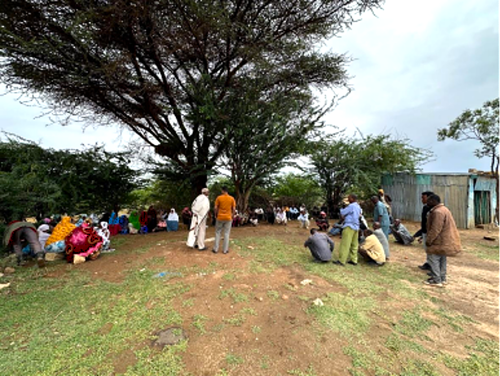
What happened next set the tone for everything that followed. CCF sought Free Prior and Informed Consent from all 27 villages in the pilot area - a standard typically reserved for Indigenous peoples, but one CCF believed essential for genuine partnership.
Through extensive consultations, every community came to understand what participation meant: their rights, their responsibilities, and their role in decision-making. All 27 villages signed on. So did the Ministry. The message was clear: this conservancy would be led by the communities themselves.
Governance from the ground up
With consent secured, the real work began - building a natural resource governance framework that communities could own and operate. CCF facilitated discussions on everything from good governance principles to the selection, and roles, of conservancy leadership. Communities drafted a constitution together, defining member rights and management responsibilities.
The process was deliberately slow and participatory. Community members created sketch maps using their intimate knowledge of local landscapes; where wildlife roamed, where livestock grazed, where settlements clustered. These maps became tools for envisioning and questioning the future: which areas should be preserved? Where could tourism develop? How could resources be shared sustainably?
When the provisional constitution came up for review, the response was unanimous approval. Communities weren't just accepting a plan - they were claiming ownership of their shared future.
Skills that save livelihoods
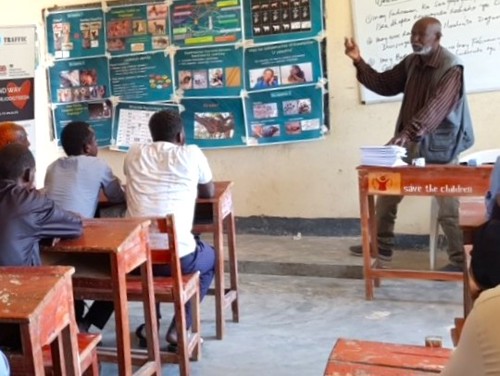
But governance alone doesn't stop a cheetah from taking livestock. CCF understood that communities needed immediate, practical benefits; tools they could use today to protect their herds and their income. Enter the Future Farmers of Africa programme, a proven approach CCF has refined over 30 years. At its heart is Integrated Management of Predators and Livestock - practical techniques that reduce conflict without harming wildlife. CCF adapted the curriculum to local circumstances and translated it into Somali, training 247 people across 6 communities, of which 30% were women.
The real measure of success came in the follow-up surveys. While every single participant confirmed that human-wildlife conflict existed in their villages, 85% reported that they had stopped using poisoning, trapping, and shooting - methods that harm both predators and people - because they now understood there are better alternatives. Moreover, livestock losses from predation dropped by at least 50% year-on-year in the villages surveyed.
Resilience that ripples outward
The Somaliland conservancy pilot demonstrates something powerful: when communities have the tools, knowledge, and authority to manage their own resources, they build resilience that extends far beyond any single issue. By reducing human-wildlife conflict, these communities are protecting one of Africa's most endangered big cats, and through managing grazing lands and water sources more sustainably, they are preserving ecosystems that provide essential services in the face of climate change. By strengthening local governance, they're creating structures that can adapt to future challenges, coming from climate change, economic shifts, or other pressures.
The conservancy framework is now in place. The skills have been transferred. The governance structures are set. Full implementation will require continued support and funding, but the foundation has been laid - not by outsiders, but by the communities themselves.
The path forward
Climate change is accelerating across the Horn of Africa, predicted to intensify droughts and make resources scarcer. The pressures on both wildlife and human communities will mount, but the Somaliland conservancy model offers a template for responding to these challenges. By connecting conservation to livelihoods, they're proving that protecting biodiversity and supporting human communities aren't competing goals; they're two sides of the same coin.
The cheetahs of Somaliland face an uncertain future. But thanks to the communities now standing as their partners and protectors, that future looks a little brighter. In a region where climate change threatens to unravel the delicate balance between people and nature, that partnership might just be the key to survival for all.
Written by Edwin Brown, Shira Yashphe, and Laurie Marker. For more information on this Illegal Wildlife Trade Challenge Fund Main project IWT113, led by Cheetah Conservation Fund, please click here.